
Crypto Address Poisoning: How Fake Histories Trick Users
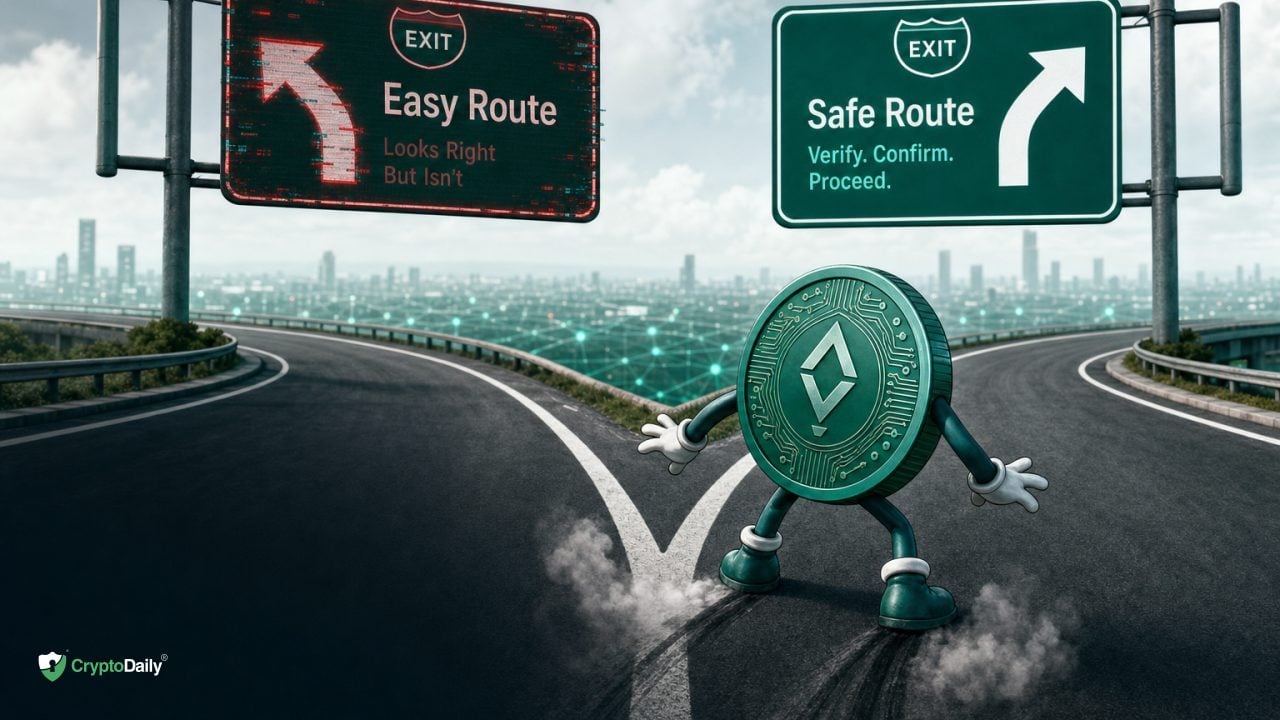
You open your wallet to send funds. Recent transactions look fine, so you grab the last address you sent to and paste. A few minutes later, the tokens land in a lookalike address that isn’t yours. Nobody “hacked” you. Your history tricked you.
This is address poisoning. It’s quiet, cheap, and it preys on routine. Attackers don’t break in. They plant something in your path and wait for you to step on it.
And lately, it’s everywhere you look in on-chain histories, especially where gas is cheap and people are moving fast.
Address Poisoning Has Become Routine
Editor's note: In Q1 and Q2 2026 I kept seeing the same pattern on desks I speak with in London, Dubai, and Nairobi: nobody was getting “hacked,” yet funds were vanishing after routine payments. When we traced them, histories were littered with zero-value lookalikes, especially on Base after the early-year memecoin flurries. My own ops shifted to a strict address book and test-sends on anything material. It’s not elegant, but it stops the easy mistakes. The bigger lesson: wallet UX needs to make the safe path the path of least resistance. — Karim Daniels
… Continue reading the full article at the original source below.