Google’s sign language AI translation lets Deaf users sign instead of type
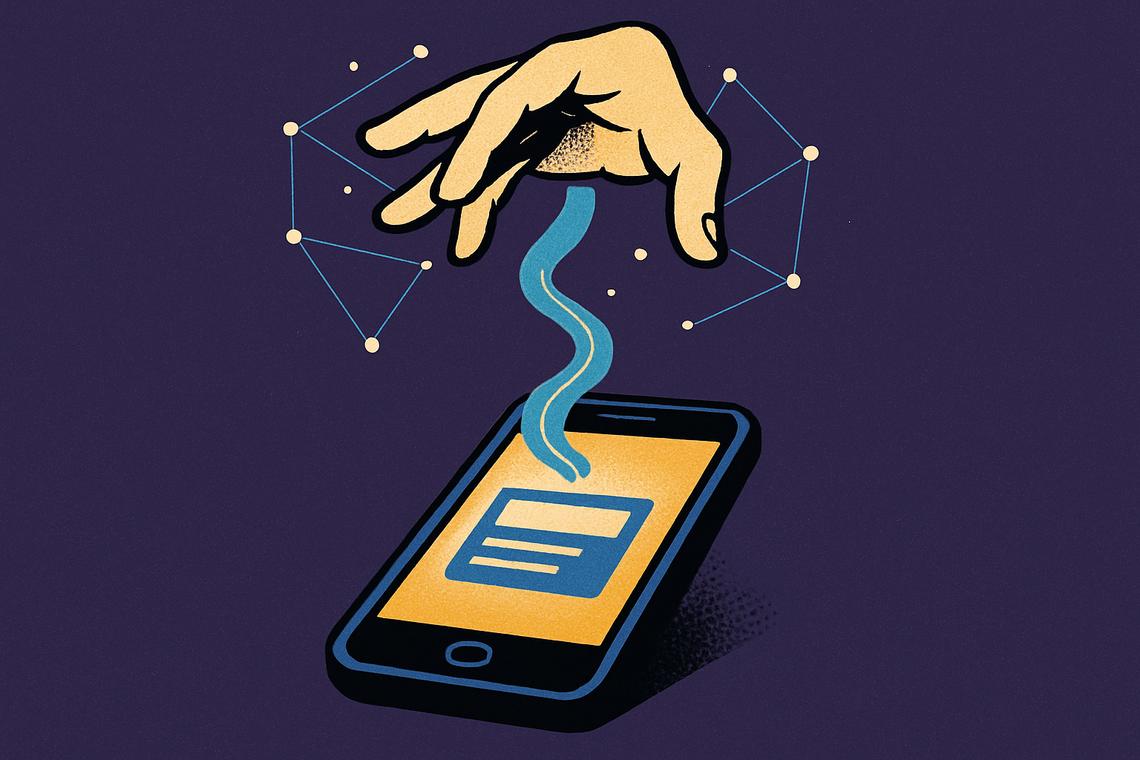
Google DeepMind has rolled out a new form of sign language AI translation that lets Deaf and hard of hearing users sign directly to their phone instead of typing, in what the company is calling a genuine breakthrough for accessibility technology. The model, unveiled on August 12, 2026, is called SL2T — short for sign-language-to-text — and it marks the first time this kind of technology has moved out of research labs and into everyday consumer apps like Gboard and Live Transcribe.
Key takeaways
- Google DeepMind launched SL2T, a multilingual sign language model that converts signing directly into written text.
- It currently supports American Sign Language (ASL) to English inside Gboard and Live Transcribe on the Pixel 11, at no extra cost.
- The model was trained on more than 100,000 hours of data across over 50 sign languages and scores 70 BLEURT on the FLEURS-ASL benchmark, well above previous models.
- SL2T tracks pose landmarks instead of raw video to protect user privacy, discarding camera footage immediately.
- Deaf community members shaped the project from the start, and Google created the AI Sign Language Advisory Committee (AISLAC) to guide its rollout.
Google DeepMind launches SL2T, a multilingual sign language AI translation model
SL2T is DeepMind’s answer to a gap that has existed in AI for years: while spoken-language tools like dictation and automatic translation became mainstream over the past two decades, the world’s more than 200 sign languages — used by an estimated 70 million Deaf and hard of hearing people — were largely left out. DeepMind describes SL2T as a “massively multilingual” system built to close that gap with a meaningful jump in both translation quality and language coverage.
… Continue reading the full article at the original source below.