Quantum risk blockchain exposure hits five weak points - Starknet already fixes two
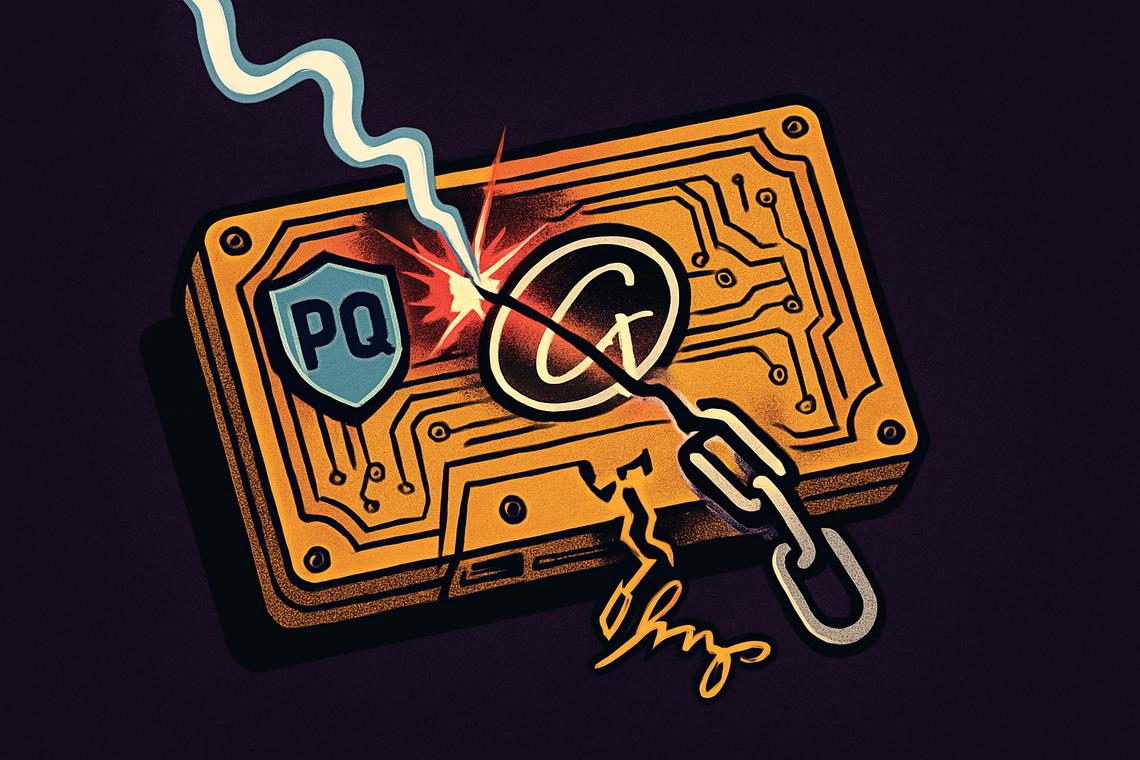
Quantum computers won’t erase Bitcoin, Ethereum or any other chain overnight, but they will eventually break specific pieces of math that almost every blockchain depends on. That distinction matters. A recent technical breakdown published by StarkWare, the company behind Starknet, argues that the real quantum risk blockchain networks face isn’t a blanket doom scenario — it’s a set of five identifiable weak points, each with its own fix and its own timeline. Find the math that’s vulnerable, the guide argues, and you find exactly where the danger lives.
Key takeaways
- Quantum computers threaten blockchains by breaking specific cryptographic math, mainly elliptic-curve signatures, not the entire technology at once.
- Three categories of cryptography are exposed: signatures, encryption, and hashing, each affected differently by quantum algorithms like Shor’s and Grover’s.
- Standardized post-quantum replacements already exist, including ML-DSA, SLH-DSA, Falcon-512 for signatures and ML-KEM for encryption.
- Five blockchain “migration surfaces” carry the risk: keys and accounts, apps and inputs, proving, consensus and cross-chain trust, and network transport encryption.
- Starknet is cited as a rare example combining hash-based proofs and upgradeable accounts, giving it a partial and documented path toward quantum resistance.
Quantum Computing Threats to Blockchain Cryptography
The core danger comes down to one algorithm doing most of the damage. Shor’s algorithm, run on a sufficiently powerful quantum computer, can work backward from a public key to recover the private key behind it — something classical computers cannot do in any practical timeframe. That single capability is what turns quantum computing blockchain security concerns from theoretical to specific.
… Continue reading the full article at the original source below.