Threshold Signatures vs Multisig: Which Is Safer?
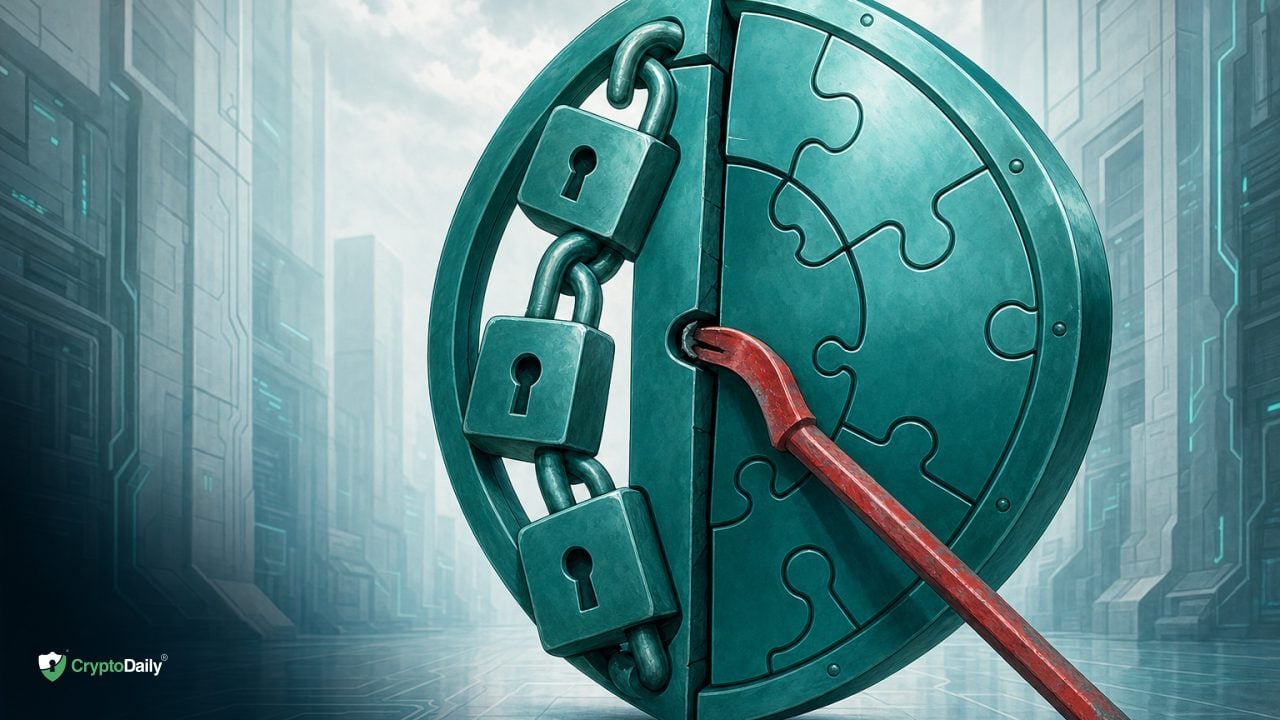
If you hold or move real size, your signing model is not a side quest. It is the thing. The control plane. The gate between intent and loss.
Two models dominate serious crypto ops: classic multisig and threshold signatures. They look similar from the outside. They are not the same inside. The right choice depends on how you weigh cryptography risks, human process, on-chain costs, and the blast radius if something breaks.
I will keep this practical. What each model actually secures, how it fails in the wild, and where the fees and paper trail land. Then a decision matrix you can actually use.
Point Details Security model Multisig enforces quorum on-chain via script or contract. Threshold signatures (TSS/MPC) enforce quorum off-chain, producing one signature that chains accept as a single key. Fees and footprint With Taproot/Schnorr, FROST or MuSig2 can compress inputs to ~57.5 vB vs ~296 vB for 2-of-3 P2SH and ~350 vB for 3-of-5 P2WSH, cutting fees roughly ~80% in higher-threshold setups (Spark). Failure modes TSS can suffer from protocol-level round abuse or DoS; multisig risks key loss, bad policies, or N-of-N deadlocks. Most big losses start with keys or permissions, not broken math. Auditability Multisig is provable on-chain. TSS looks like a single-sig on-chain, so you need strong off-chain logs and attestations for auditors. Fit TSS suits low-fee, high-throughput, EOA-first flows. Multisig suits conservative ops where on-chain policy visibility and simple recovery matter more than fee savings.
… Continue reading the full article at the original source below.