
Gold price decline pushes bullion to $4,395 despite record central bank buying
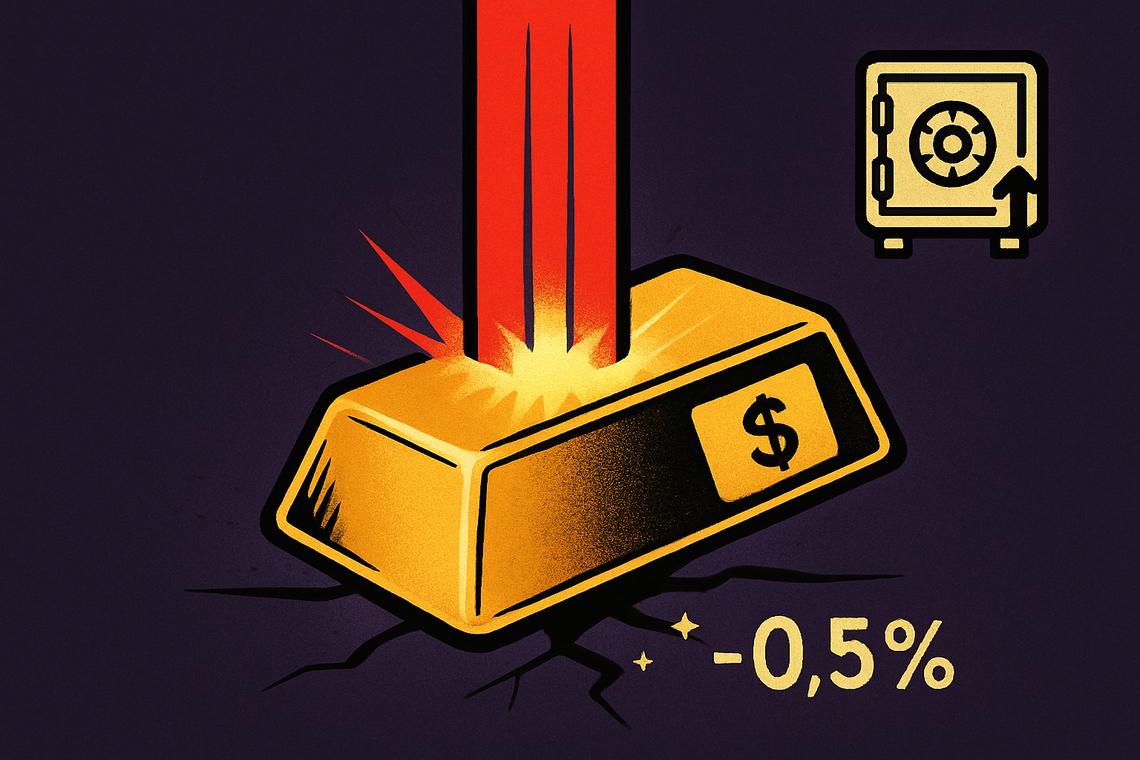
Gold slipped again this week, and the reasons behind the pullback say almost as much about Washington and Tehran as they do about bullion itself. The metal fell 0.5% to $4,395.78 an ounce as U.S. Treasury yields climbed and oil prices jumped, reviving two of the biggest headwinds that have shadowed the metal all year. This latest gold price decline came even as central banks kept buying at a record clip, a reminder that short-term selling pressure and the longer-term bull case for gold are currently pulling in opposite directions.
Key takeaways
- Gold fell 0.5% to $4,395.78 an ounce as rising Treasury yields and higher oil prices weighed on the metal, with futures slipping 0.5% to $4,451.07.
- Iran’s threat of a “fully offensive” military posture pushed oil prices higher and stoked fresh inflation worries.
- Markets now price roughly a 65% probability that the Federal Reserve holds interest rates steady in September.
- Central banks bought 244 tonnes of gold in the first quarter of 2026, the strongest quarterly total since Q4 2024.
- ANZ forecasts gold reaching $5,200 an ounce by the end of the year, citing central bank diversification and geopolitical strain.
What’s Driving the Gold Price Decline This Week
Two familiar forces are behind the drop: bond yields and energy prices. Rising U.S. Treasury yields make gold, which pays no interest or dividend, comparatively less attractive to hold, and that opportunity-cost math has repeatedly capped the metal’s rallies in recent weeks. Alongside gold’s slide, the price of silver declined by 0.8%, reaching $65.24 per ounce, while platinum decreased 0.7% to $1,760.90, while the U.S. Dollar Index ticked up 0.1% to 99.67, adding a small extra layer of pressure on dollar-priced commodities.
… Continue reading the full article at the original source below.