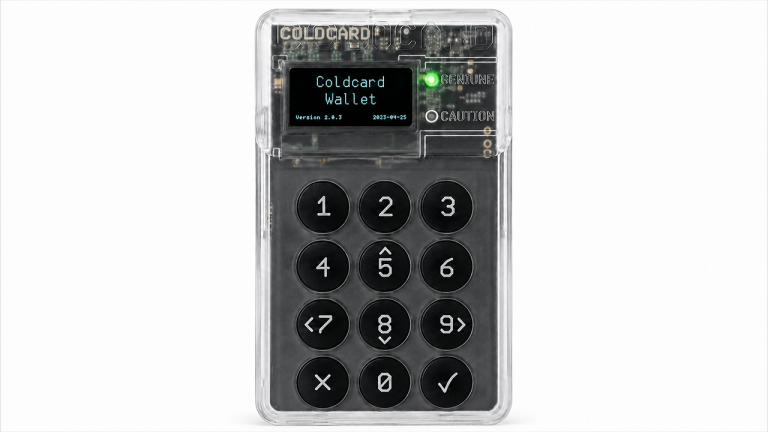
Coldcard Seed Flaw Exposes Crypto Wallet Security Risks After $70M Bitcoin Theft
Changpeng Zhao says even the most trusted names in hardware storage can’t guarantee full protection, and a newly discovered Coldcard flaw is proving his point. “Nothing is 100%,” the Binance founder wrote on X on August 1, urging crypto holders to stop relying on a single device or seed phrase. His warning followed a Bitcoin theft that exploited predictable key generation inside some Coldcard wallets, a case that has reopened a hard conversation about crypto wallet security and whether offline storage alone is enough to keep funds safe.
The incident didn’t involve stolen devices, phishing links, or careless owners handing over recovery phrases. Instead, it traced back to a flaw buried in firmware that generated wallet seeds using predictable data instead of true randomness. That distinction matters: the failure happened at the moment a wallet was created, long before any transaction was ever signed.
Key takeaways
- Changpeng Zhao said no crypto wallet is fully safe after a Coldcard seed flaw was exposed, urging users to split funds across multiple wallets.
- A firmware bug caused some Coldcard devices to generate predictable seeds instead of using true hardware randomness.
- Attackers stole roughly 594 BTC from about 500 wallets in a 25-minute window; Across 1,196 addresses, Galaxy Research subsequently increased the aggregate amount to 1,082.65 BTC over 41 minutes.
- Coinkite released patched firmware, but seeds already generated under vulnerable versions remain compromised and cannot be fixed by an update.
- Security experts say multi-wallet self-custody can reduce concentration risk, though it isn’t a flawless solution.
Coldcard Seed Flaw Exposes a Critical Crypto Wallet Security Weakness
The core problem was simple to describe but devastating in effect: some Coldcard devices skipped their own hardware randomness generator and fell back on predictable software-based seed creation. That single design flaw turned what should have been an unguessable secret into something an attacker could reconstruct.
… Continue reading the full article at the original source below.