
Tesla Cybercab launch puts Musk’s no-lidar bet against Waymo’s fleet
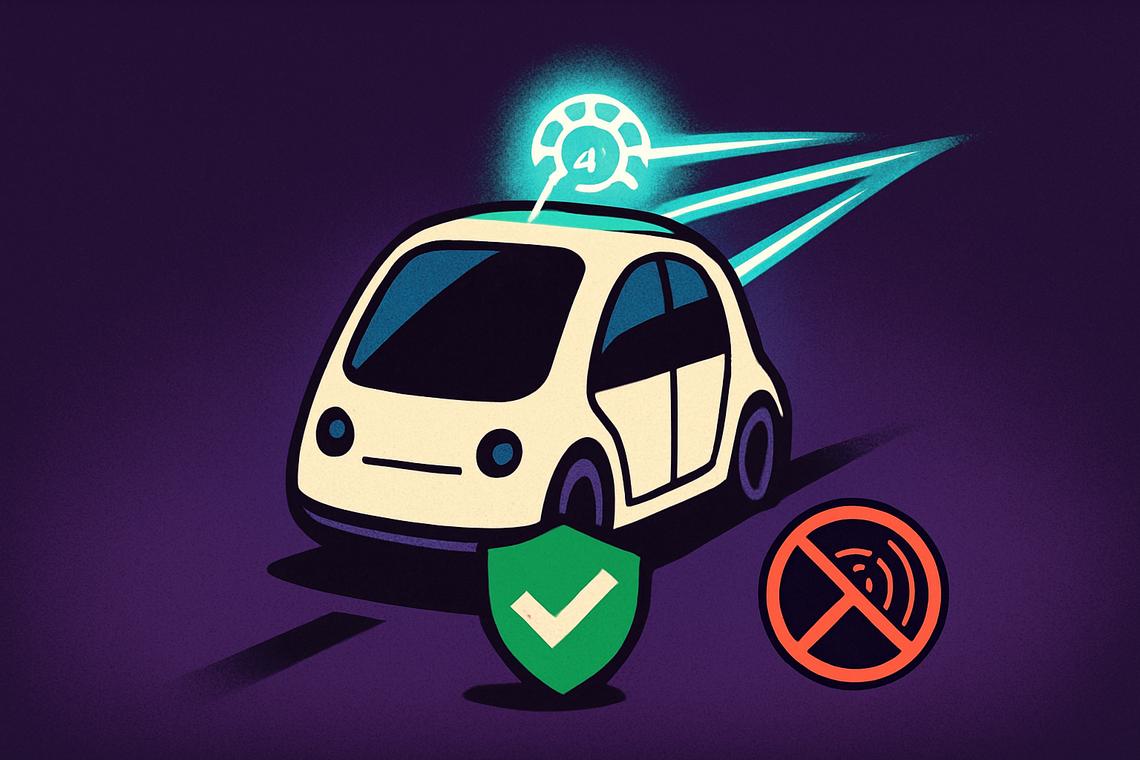
Elon Musk has spent seven years promising a driverless future for Tesla, and on September 3, that promise finally gets a real-world test. The Tesla Cybercab launch will unfold as an invite-only event at Gigafactory Texas in Austin, where the automaker plans to formally roll its steering-wheel-free, two-seat robotaxi into a ride-hailing fleet that, until now, has relied on modified Model Y SUVs.
Key takeaways
- Tesla will hold an invite-only Cybercab event on September 3 at Gigafactory Texas in Austin, nearly two years after the vehicle’s October 2024 debut.
- The Cybercab has no steering wheel or pedals and runs on a modified version of Tesla’s Full Self-Driving software with AI4 hardware, relying solely on cameras rather than lidar or radar.
- At least 51 Cybercabs have been registered in Texas after production started in early 2026, and public road testing began in late June, spreading from Austin into other parts of Texas and Florida.
- Rival Waymo, which operates roughly 4,000 robotaxis across 14 U.S. cities and logs 500,000 paid trips a week, publicly argued days before the launch that camera-only autonomy “isn’t enough.”
- Tesla has filed plans to build more than 125,000 Cybercabs annually, a scale that would dwarf its current pilot fleet if it materializes.
From Prototype to Public Roads: Tesla’s Cybercab Timeline
The Cybercab isn’t new — Tesla just hasn’t put it to work yet. Musk unveiled the gold-tinted prototype on October 10, 2024, at the company’s “We, Robot” event, pitching a price tag under $30,000 and promising production before 2027. That promise is now colliding with reality.
… Continue reading the full article at the original source below.
This content is automatically aggregated. Full credit goes to the original publisher (en.cryptonomist.ch).