Using USDC for Gas Changes the Economics of Blockchain Fees
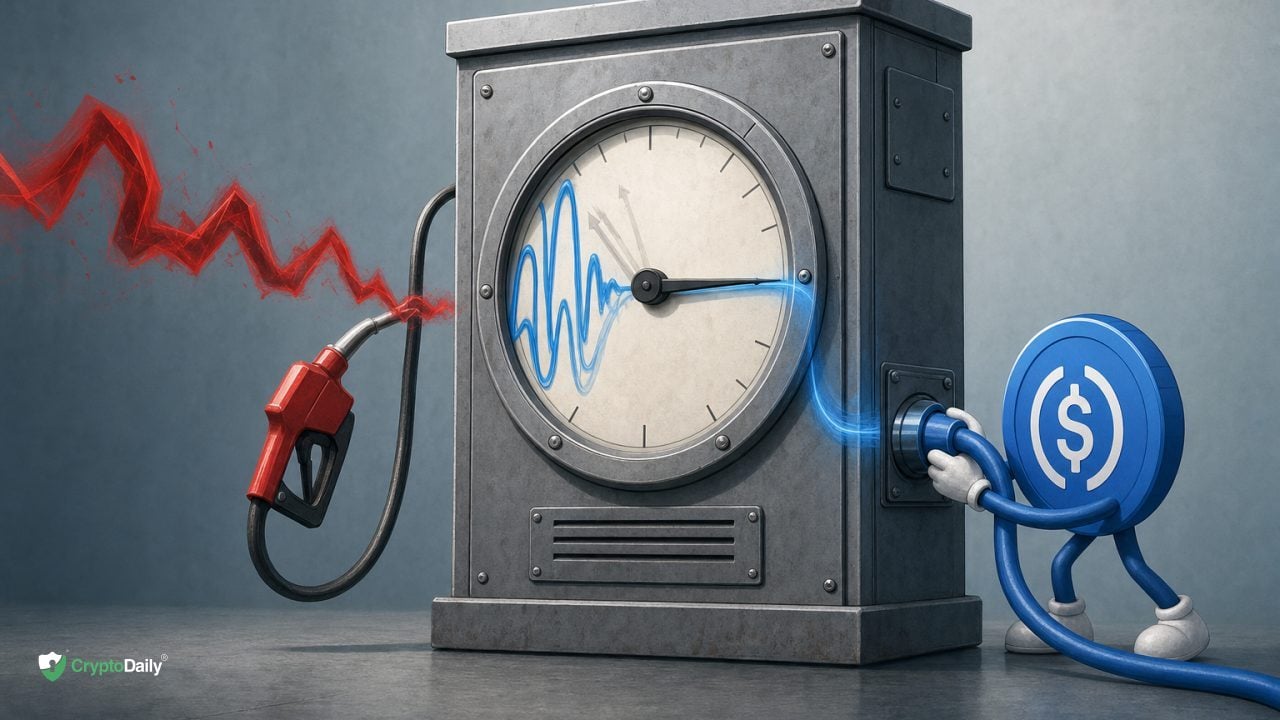
Letting users pay blockchain fees in USDC moves fee risk and inventory management away from retail and toward professional providers. The end user sees a stable USD price for gas. The paymaster or relay operator absorbs native-token exposure, conversion spreads, and operational risk. That shift, enabled by ERC‑4337 account abstraction and packaged by Circle as a permissionless Paymaster, changes who earns, who pays, and who bears volatility in fee markets.
The economics are already visible in how the product prices gas. Circle’s Paymaster lets users settle network fees in USDC and, per Circle’s own documentation, applies a 10% surcharge on Arbitrum and Base for those USDC-paid transactions. That is a simple but material markup on top of whatever the chain charges natively, and it flows to the provider managing balances and swaps rather than to the protocol itself. Paired with the scale of USDC liquidity, this creates a path to USD-denominated fee experiences at consumer scale.
This question is timely for two reasons. First, USDC represents a large share of on-chain liquidity, with DeFiLlama’s stablecoin dashboard showing the USDC market cap in the low $70‑billion range and a page snapshot of about $71.76B. Second, Circle argues that the upcoming Ethereum Pectra upgrade (specifically EIP‑7702) will let externally owned accounts temporarily delegate smart-contract behavior, so a wallet funded only with USDC could transact and pay fees immediately when combined with a paymaster. If that path holds, USDC-priced gas becomes a default UX pattern, not a niche feature.
… Continue reading the full article at the original source below.