Iran crypto sanctions widen: $100M broker case hits global crypto firms
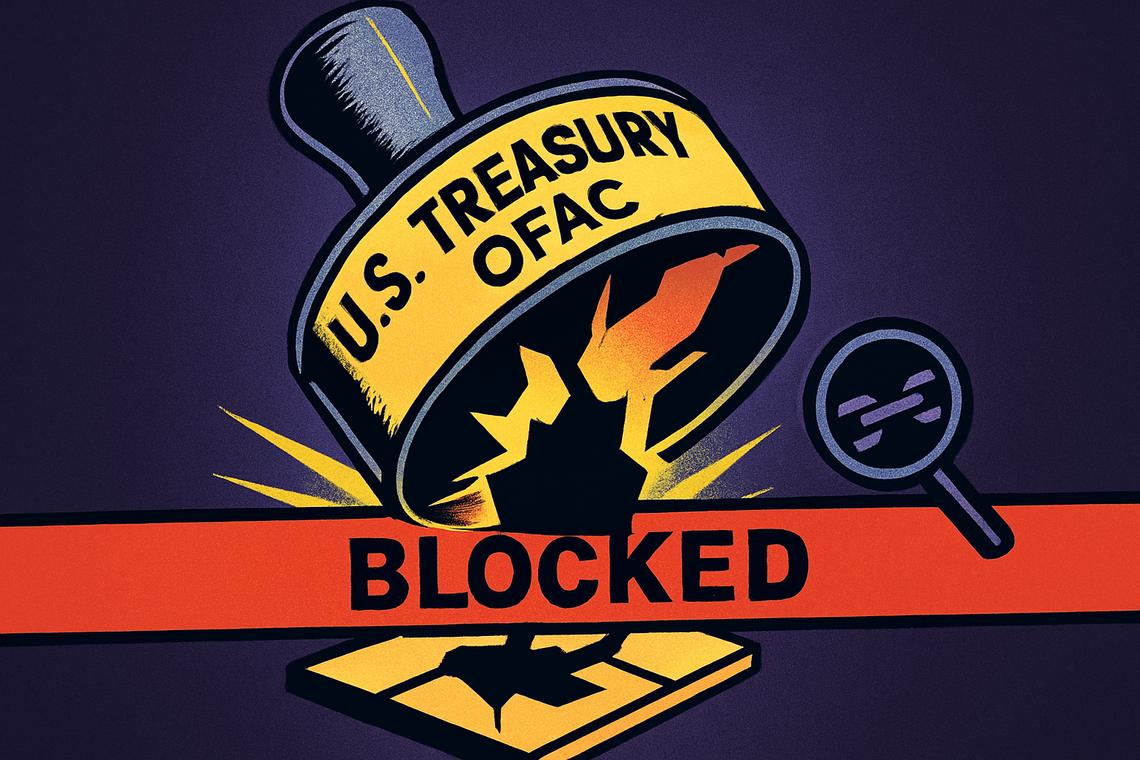
The US Treasury has thrown a wider net around Iran’s digital economy, and this time crypto exchanges aren’t the only ones who need to worry. On August 24, the Treasury Department expanded its sanctions authority to formally cover Iran’s digital asset sector under Executive Order 13902, a move that lets regulators go after brokers, wallet operators, and payment processors anywhere in the world, not just inside Iran’s borders. The change came as part of a broader campaign Treasury Secretary Scott Bessent described as an “economic D-Day,” and it marks one of the most sweeping applications of US Treasury Iran sanctions power to hit cryptocurrency since Washington first started chasing digital sanctions evasion.
Key takeaways
- OFAC added Iran’s digital asset sector to Executive Order 13902 sanctions authority on August 24, alongside technology, gold, aviation, and shipping.
- Treasury alleges a Ukrainian broker named Obukhov moved more than $100 million in cryptocurrency to help fund Iranian oil sales tied to the IRGC-Quds Force since 2023.
- Nearly 60 entities, individuals, and vessels were sanctioned across Iran’s nuclear, missile, cyber, and oil networks as part of the same package.
- Earlier 2026 actions had already targeted Iranian exchanges Nobitex, Wallex, Bitpin, Ramzinex, Shelbit, and Aban Tether.
- Foreign banks that knowingly process transactions for sanctioned parties risk losing access to US correspondent accounts.
US Treasury Expands Sanctions to Iran’s Digital Asset Sector
The core change is straightforward but consequential: digital assets are now formally recognized as a sanctionable sector under the same executive order that already covers Iran’s technology, gold, aviation, and shipping industries. That single addition reshapes how the Office of Foreign Assets Control, or OFAC, can pursue anyone connected to Iranian crypto activity.
… Continue reading the full article at the original source below.