Not a Blockchain Flaw: Solana CISO Warns AI Crypto Scams Exploit Humans
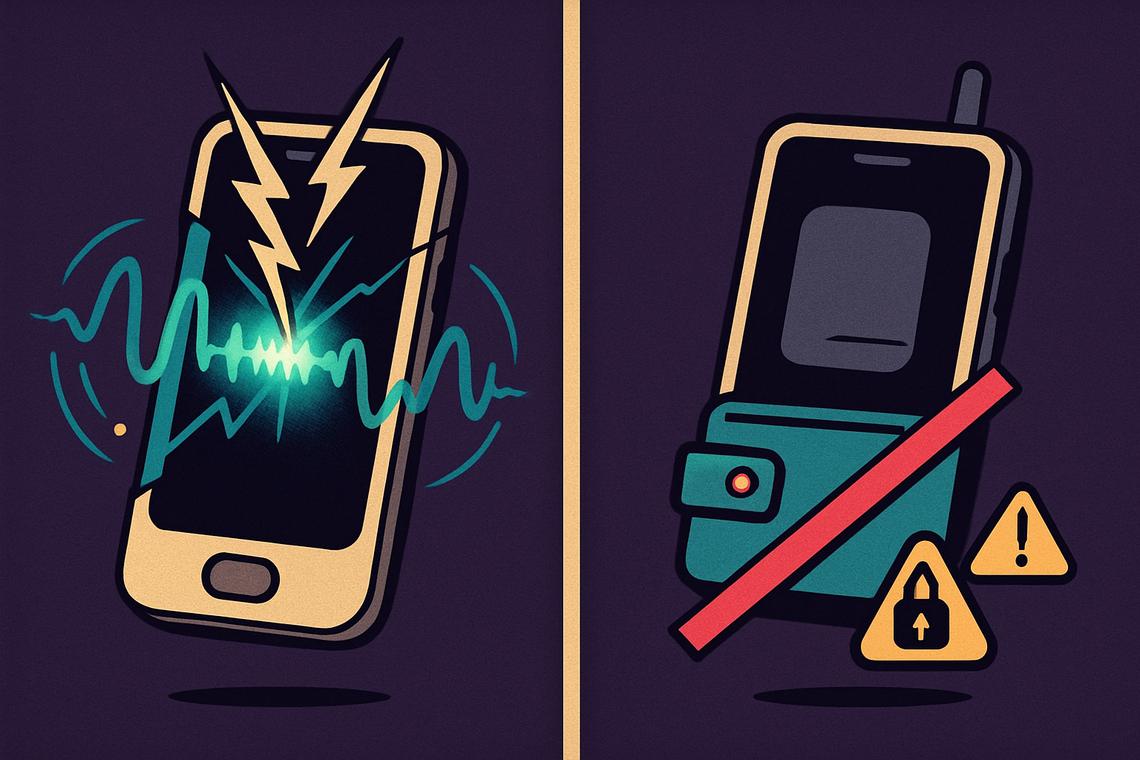
Crypto’s biggest security threat right now might not be a hacked smart contract or a broken bridge. It might be a phone call that sounds exactly like your boss. That’s the warning coming from Michael Coates, the new Chief Information Security Officer at the Solana Foundation, who says AI crypto scams are becoming convincing enough to fool even careful users, and that the danger has little to do with any flaw in Solana’s blockchain itself.
Key takeaways
- Solana Foundation CISO Michael Coates warns that AI is making crypto scams more convincing, especially through phishing, impersonation and voice-based deception, according to CoinDesk.
- The threat targets people, not code: Coates says the risk sits in social engineering aimed at users and crypto teams, not in Solana’s blockchain or smart contracts.
- AI lets scammers write polished messages, fake identities, and even clone voices, making voice deepfake attacks a growing concern across the industry.
- Because blockchain transactions are instant and irreversible, a single successful scam can wipe out funds with no chargeback and no reset button.
- Coates argues security has to be built into defaults and team procedures, not left to user vigilance alone, and the warning applies to every crypto ecosystem, not just Solana.
Solana Foundation’s Warning on AI-Enhanced Crypto Scams
Coates, who joined the Solana Foundation earlier this year after previously serving as CISO at Twitter and leading security at Mozilla, told CoinDesk that the biggest security threats in crypto are increasingly coming from AI-powered social engineering and compromised credentials, not from smart contract exploits. His job now spans securing the foundation itself, working with Solana ecosystem projects on security practices, and meeting with regulators on cybersecurity standards.
… Continue reading the full article at the original source below.