Robinhood Chain RWA Growth: Tokenized Stocks Gain Traction
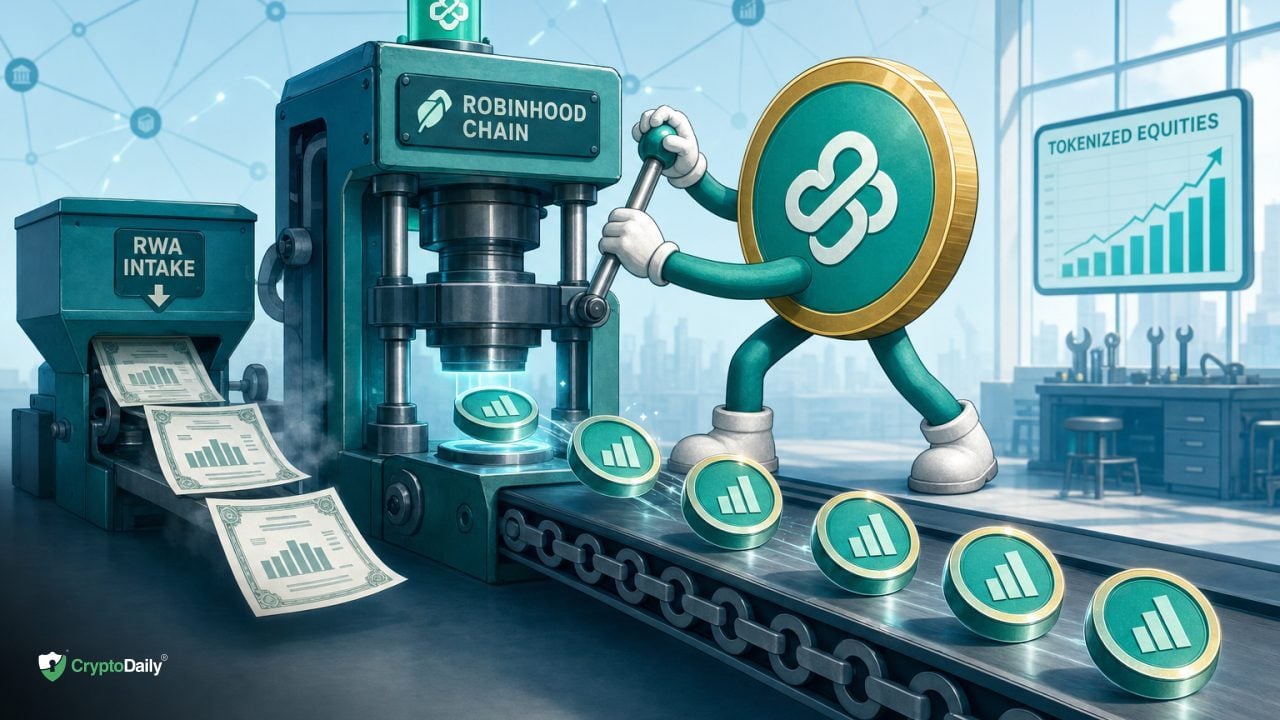
Tokenized stocks just got a real stress test on Robinhood Chain. Volumes showed up fast, the memes showed up faster, and under it all a serious question popped up for traders and builders: is this the moment RWAs go from demo to daily driver?
If you’re trying to decide whether to touch these Stock Tokens, the problem is practical. How are they priced when the stock market is closed? What’s the spread, who holds the real shares, and what could go wrong on a weekend gap?
Let’s keep it simple and specific. Here’s what changed on Robinhood’s new chain, how the tokenized flow actually works, and a playbook to size your risk without getting lost in buzzwords.
Aspect What to Know Launch & availability Robinhood Chain mainnet went live on July 1, 2026 with Stock Tokens announced and available that day Robinhood Newsroom. Early traction Within two weeks, TVL neared $312M and daily transactions were ~3.6M, vaulting the chain up DEX rankings CoinDesk. Growth pace By July 21, TVL was about $431M, ~6M daily transactions, and $9B+ cumulative DEX volume, with memecoins still dominating flow The Block. RWA breakout RWAs on-chain jumped roughly fivefold to ~$70M in under two weeks; a dozen tokenized stocks now clear $500K+ per day, led by GameStop, NVIDIA, and SpaceX CoinDesk. What these tokens represent Tokens typically map to economic exposure to an underlying stock. They may not grant voting rights or direct share custody. Read the issuer docs. Key frictions Oracles, spreads, weekend gaps, smart contract risk, and potential KYC or regional limits depending on the venue and product. Who it suits On-chain traders seeking 24/7 equity exposure, arbitrageurs managing basis, and builders testing RWA rails. Long-only investors may still prefer a broker.
… Continue reading the full article at the original source below.