Stablecoin Chargebacks: Why Onchain Payments Lack Recourse
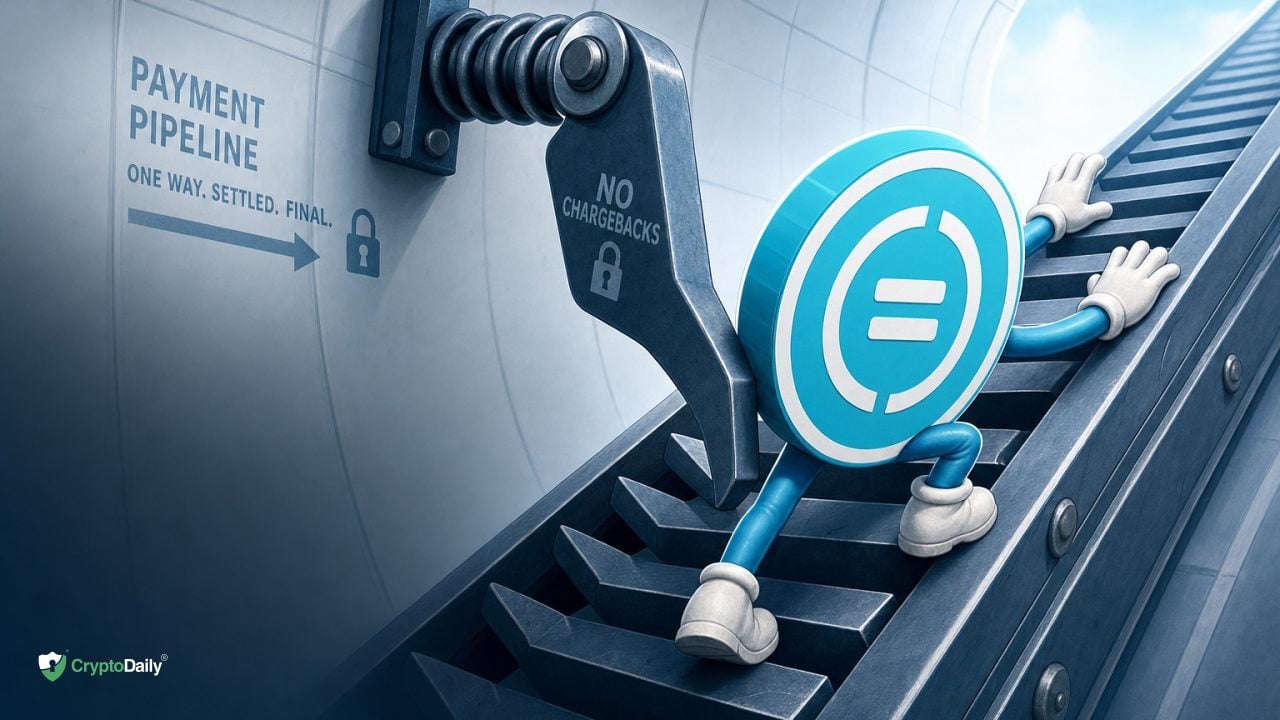
If you have ever reversed a card payment after a dodgy purchase, you have used a chargeback. That familiar safety net is part of why cards feel comfortable. Stablecoins do not work like that.
Onchain transfers settle as soon as the network confirms them. There is no hotline to call and unwind a transaction. That is by design. The upside is speed and global reach. The tradeoff is finality.
With stablecoin volumes breaking records and more merchants eyeing USDC and friends, it is time to be blunt about what happens when something goes wrong. You do not get a chargeback. You need a plan.
Let’s map the limits, then build workable paths for refunds, disputes, and buyer protection that make sense for onchain money.
Point Details Chargebacks are network rules, not a law of payments Card schemes can reverse funds through issuing and acquiring banks. Blockchains cannot. Finality is baked into consensus. Stablecoin issuers can freeze, not “undo” your mistake USDC and USDT have blacklist controls that may freeze assets in rare cases, usually for compliance or court orders, not consumer disputes. Regulation protects claims on reserves, not transactions New rules in 2026 focus on safeguarding backing assets and issuer conduct. They do not create a right to reverse onchain transfers. Recourse is a merchant design problem Refunds, escrow, and dispute policies must be handled offchain or by smart contract logic you control, not by the token network. Operational discipline beats hope Use invoices, allowlists, reference IDs, and small test sends. Mistyped addresses, wrong chains, and phishing drain funds fast.
… Continue reading the full article at the original source below.