
Stablecoin identification rules could skip 99% of all transactions
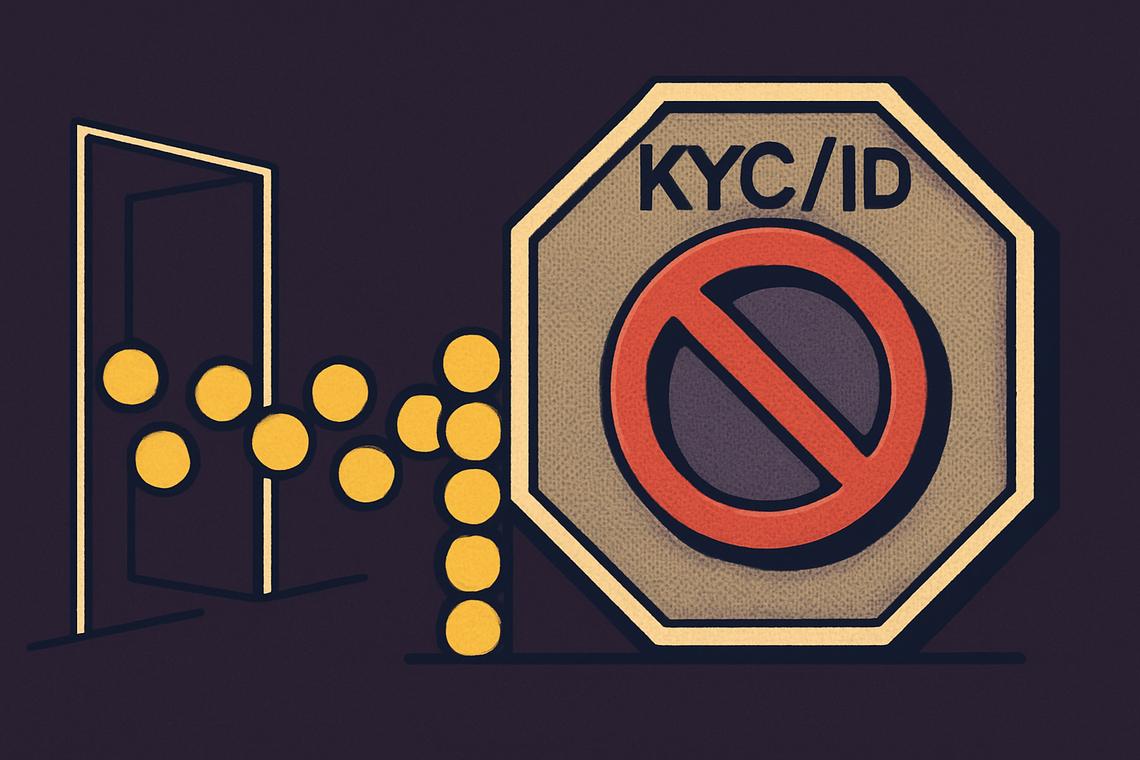
Five federal banking regulators want stablecoin issuers to know exactly who their customers are, but the crypto industry’s biggest lobbying group says that requirement should stop at the issuer’s front door. The Blockchain Association has told U.S. agencies that stablecoin identification rules should apply only when an issuer directly onboards a customer, not when tokens change hands afterward on the open market.
Key takeaways
- Five federal agencies — FinCEN, the OCC, the Federal Reserve, the FDIC and the NCUA — jointly proposed customer identification standards for payment stablecoin issuers in June 2026.
- Issuers would need to collect names, addresses, birth or formation dates, and identification numbers before opening an account.
- The Blockchain Association wants peer-to-peer stablecoin transfers excluded, arguing issuers don’t control or facilitate those transactions.
- Regulators estimate roughly 99% of stablecoin transaction activity happens in secondary markets, outside direct issuer oversight.
- Final rules would take effect 12 months after publication, while the GENIUS Act’s broader licensing framework kicks in on January 18, 2027.
U.S. Regulators Propose Stablecoin Customer Identification Rules
The proposal at the center of this debate came from five agencies acting together: FinCEN, the Office of the Comptroller of the Currency, the Federal Reserve, the Federal Deposit Insurance Corporation and the National Credit Union Administration. In June 2026, they jointly floated a customer identification program tailored to permitted payment stablecoin issuers, treating them as financial institutions under the Bank Secrecy Act — a designation that follows directly from the GENIUS Act.
… Continue reading the full article at the original source below.