Stablecoins Under Stress Do Not Behave Like One Safe Haven
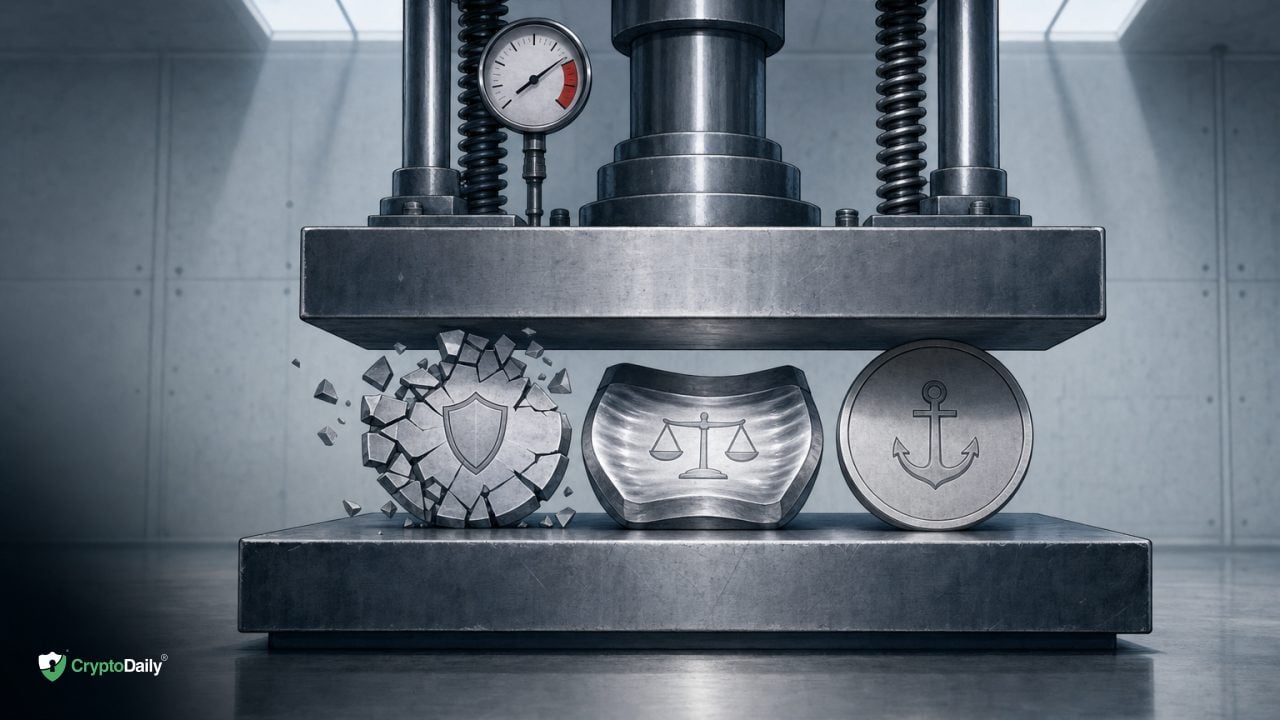
Stablecoins do not behave like a single safe haven when markets break. Recent crises show that design and plumbing matter as much as brand. Verified: during the March 2023 Silicon Valley Bank failure, USDC traded as low as $0.8774 on Coinbase before recovering, while operational backlogs cleared only after U.S. banking reopened and resolution steps were announced. Verified: during the May 2022 Terra collapse, the algorithmic UST lost its peg entirely, wiping out roughly $40–45 billion of market value across UST and LUNA. Verified: even the largest fiat-backed stablecoin, USDT, briefly traded off-peg around $0.94–$0.97 amid heavy redemptions during the same 2022 contagion.
These episodes are not footnotes. Circle disclosed that SVB failed to honor a pre-failure withdrawal request for $3.3 billion of USDC reserves, roughly 8% of USDC’s backing at the time, spotlighting bank counterparty risk inside fiat-backed models. U.S. policy snapshots now cite these stress events to assess stablecoin fragility and interconnectedness. The data shows one family resemblance across designs: when stress hits, redemptions can be large and fast. But how those outflows translate into price dislocations, user experience, and systemic spillovers differs sharply by model and market microstructure.
… Continue reading the full article at the original source below.