Strait of Hormuz Risk Premium: How a Chokepoint Reprices Markets
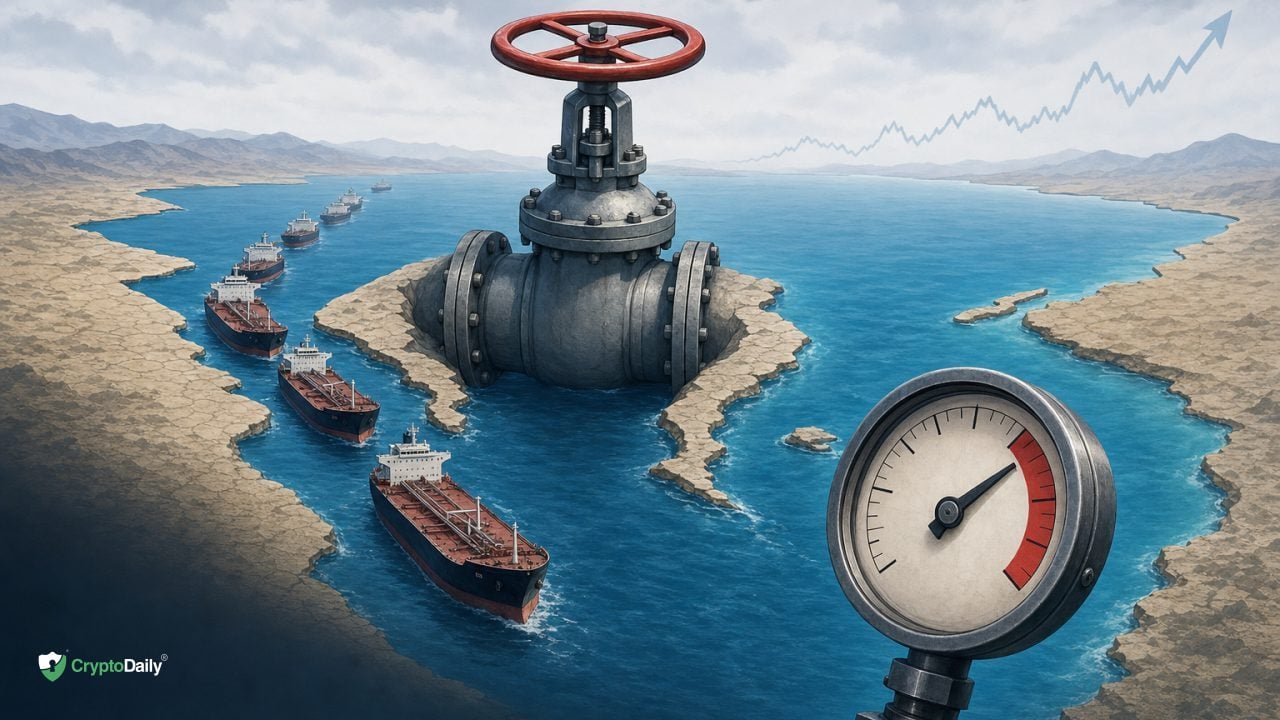
The Strait of Hormuz risk premium is the extra price markets assign to oil, petroleum products, and LNG to reflect the probability and potential severity of disruption at the world’s most critical energy chokepoint. It shows up as higher spot and futures prices, wider time-spreads, pricier freight, and additional insurance costs relative to a no-risk baseline.
Its practical relevance is immediate. Roughly 20 million barrels per day of crude oil and petroleum products transited Hormuz in 2024, a material share of global seaborne flows. The waterway narrows to about 22 nautical miles at its tightest point, so even a partial slowdown can tighten supply quickly and reprice risk across energy and shipping markets, as documented by the Congressional Research Service.
How a Hormuz risk premium forms in markets
Economists separate oil price moves into three drivers: supply shocks, global demand shocks, and precautionary demand tied to uncertainty. Chokepoint tensions primarily raise the precautionary component. Buyers and traders value physical barrels and delivery assurance more highly, pushing prices above levels implied by current supply and consumption. This framework traces back to Lutz Kilian’s decomposition of oil shocks, which shows how geopolitical uncertainty can lift prices even without an immediate loss of barrels (AER, 2009).
… Continue reading the full article at the original source below.