How the “buy, borrow, die” tax trade is quietly loading DeFi pools with hidden credit risk
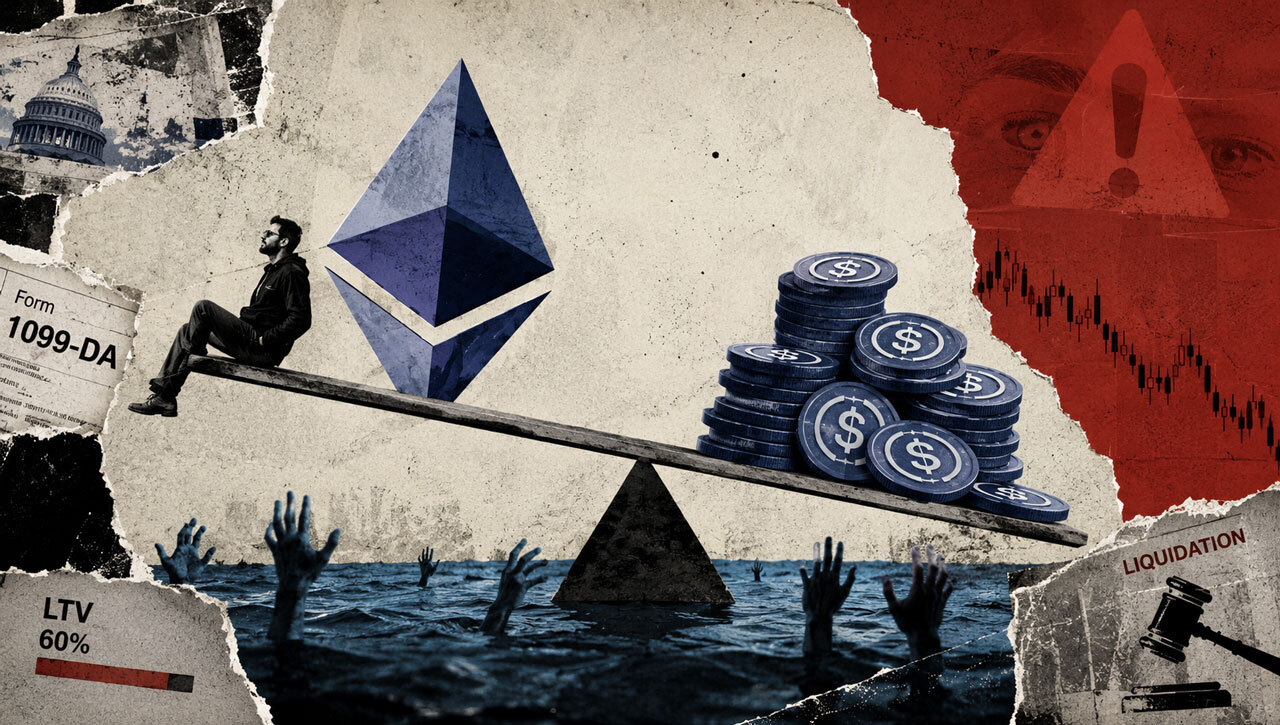
Imagine someone who bought ETH for $1,000, watched it climb to $4,000, and now wants to cash out $1,000. Selling one-quarter of the ETH would provide the cash, but it would also realize a $750 gain under US tax treatment of digital assets held for investment.
However, DeFi offers another way. The owner can deposit the full ETH into a lending protocol, use it as collateral, and borrow $1,000 in a stablecoin designed to track the dollar.
The loan doesn't count as taxable income, the ETH keeps its exposure to any future price increase, and the owner now has something they can spend or convert into dollars without selling the original asset.
| Decision | Cash received | Tax impact | ETH exposure | New risk created |
|---|---|---|---|---|
| Sell 25% of ETH | $1,000 | $750 realized gain | Reduced by 25% | No liquidation risk |
| Borrow stablecoin against ETH | $1,000 | No immediate taxable sale | Full ETH exposure retained | Debt, interest, liquidation risk |
While it saves the owner a lot of money in taxes, it also creates a fragile math problem. The $1,000 debt begins at 25% of collateral worth $4,000, but a fall in ETH to $2,000 doubles that loan-to-value ratio to 50%, and interest accumulating on the debt pushes it higher.
… Continue reading the full article at the original source below.