Validator Client Diversity: Why One Bug Can Threaten a Network
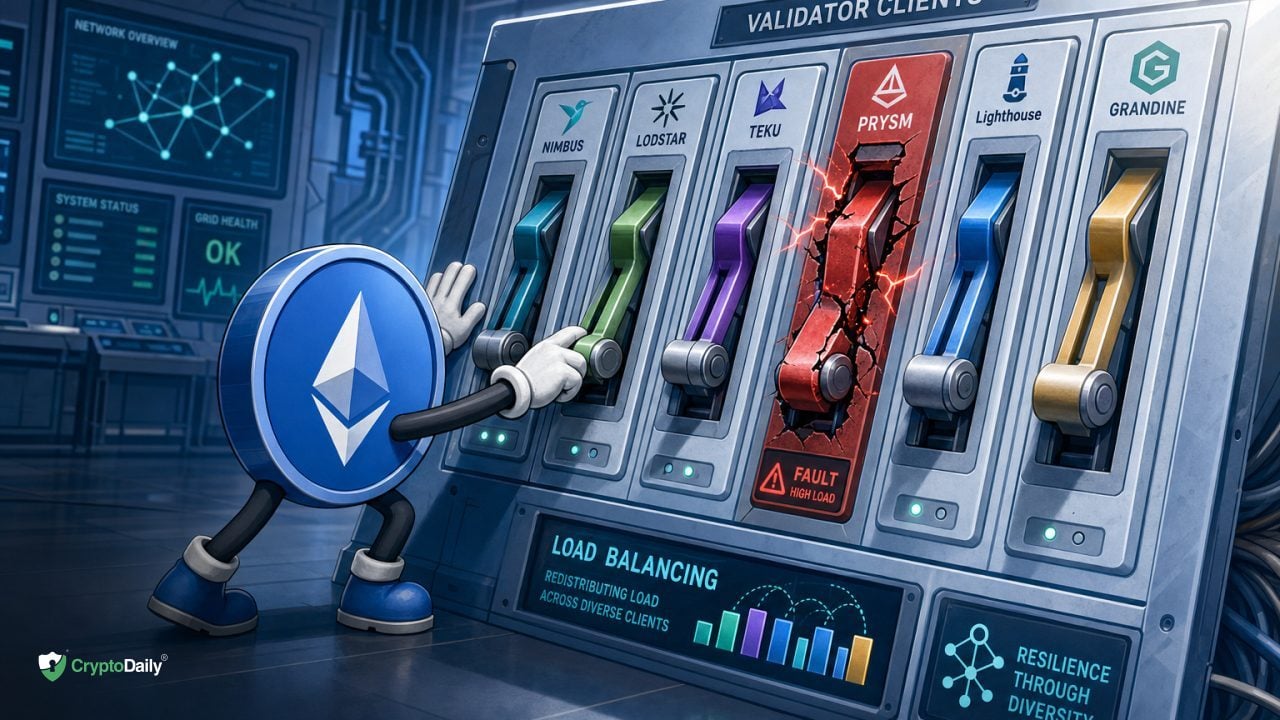
Blockchains love redundancy. Multiple nodes, multiple copies of the ledger, lots of geographic spread. But all that redundancy can be undone if everyone runs the same validator client. One subtle bug, shared by a supermajority of nodes, is enough to stall finality or split a chain.
This is why client diversity is one of the least flashy but most important pieces of network health. It’s not about ideology. It’s about basic operational risk.
If you run validators, or delegate to a staking service, the mix of clients under the hood affects your uptime and your slashing exposure. Let’s talk about how a single bug can ripple through a network and what to do about it.
Point Details Monoculture risk When one client dominates, a single bug can halt finality or cause consensus splits across a large chunk of validators. Correlated slashing Client-specific failures can trigger mass equivocations or downtime, turning one bug into many slashes. Diversity targets Researchers often aim for no single client above rough safety lines like 33%, keeping any one bug from controlling quorum. Operational playbook Run a deliberate mix, stagger upgrades, isolate faults, and test rollbacks. Document and rehearse failover. Due diligence for stakers Ask providers for client mix, upgrade cadence, and incident history. Diversify across operators and clients. Proof in incidents Past Ethereum finality issues and Solana outages show how implementation concentration magnifies software errors.
… Continue reading the full article at the original source below.